This season Twenty-eight weather systems logged in play Longest recorded storm cycle: fifty-one minutes
Weather In Games emblem Weather In GamesSky as a mechanic
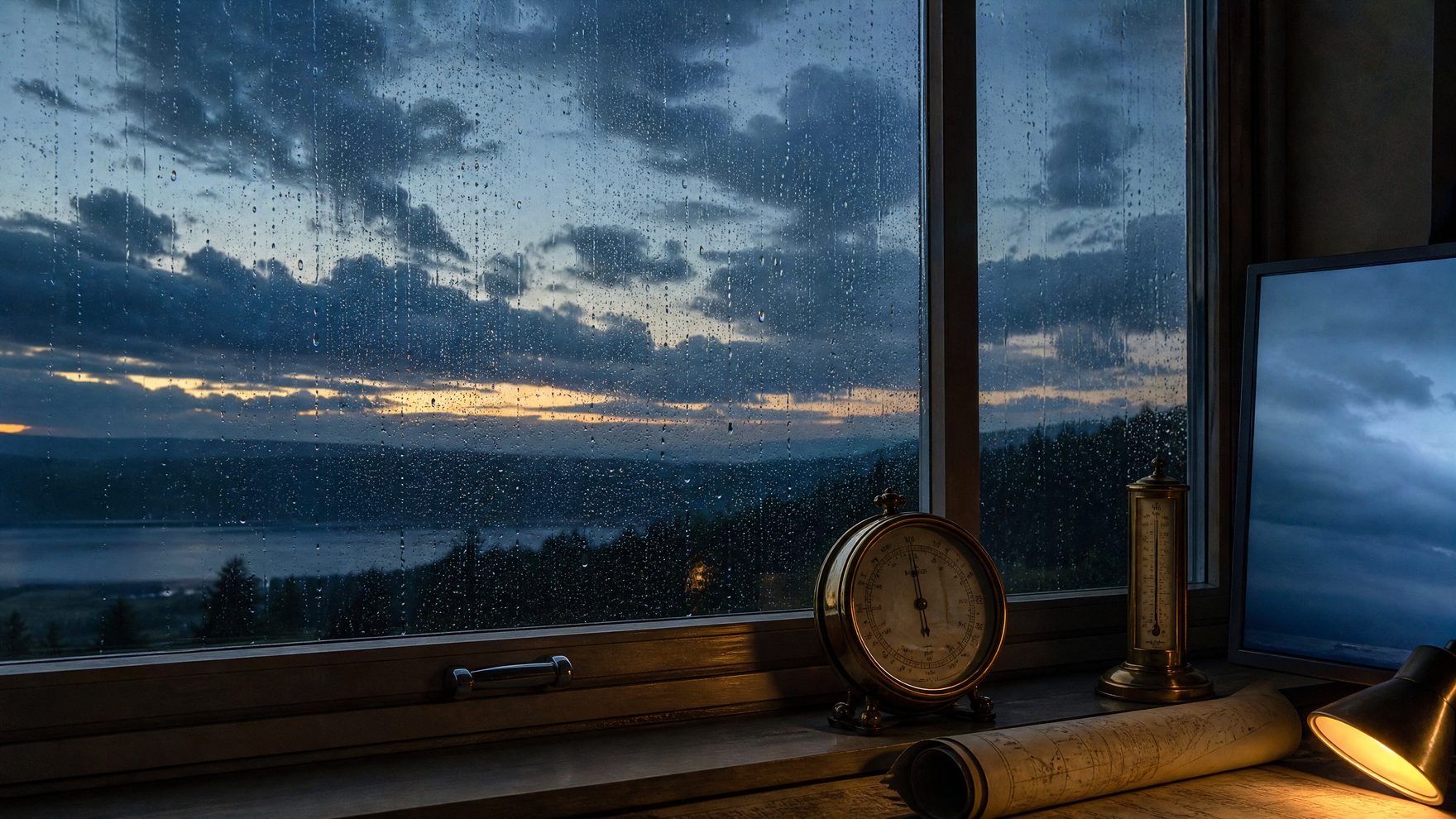
A rain-streaked window at dusk seen from inside a study, with an analogue barometer, a brass thermometer and a rolled chart on the sill
Reviews · Weather systems

Games judged by what their sky actually does to you

Rain that darkens a scene is a filter. Rain that floods a road, ruins a shot, drowns a sound cue or changes what an enemy can see is a mechanic. This publication plays for the difference and writes it down.

28 Systems logged Each observed across a full in-game year where the game has one.
51 min Longest storm cycle The slowest weather turnover we have timed, in a sailing game.
6 of 28 Change how you play The rest are lighting changes with a sound effect attached.
Latest reviews

Six games and the weather they either simulate or merely display

Each review covers the whole game and then examines its sky in detail: what the weather is made of, how often it turns, what it takes away from you, and whether the game is honest about what it is doing.

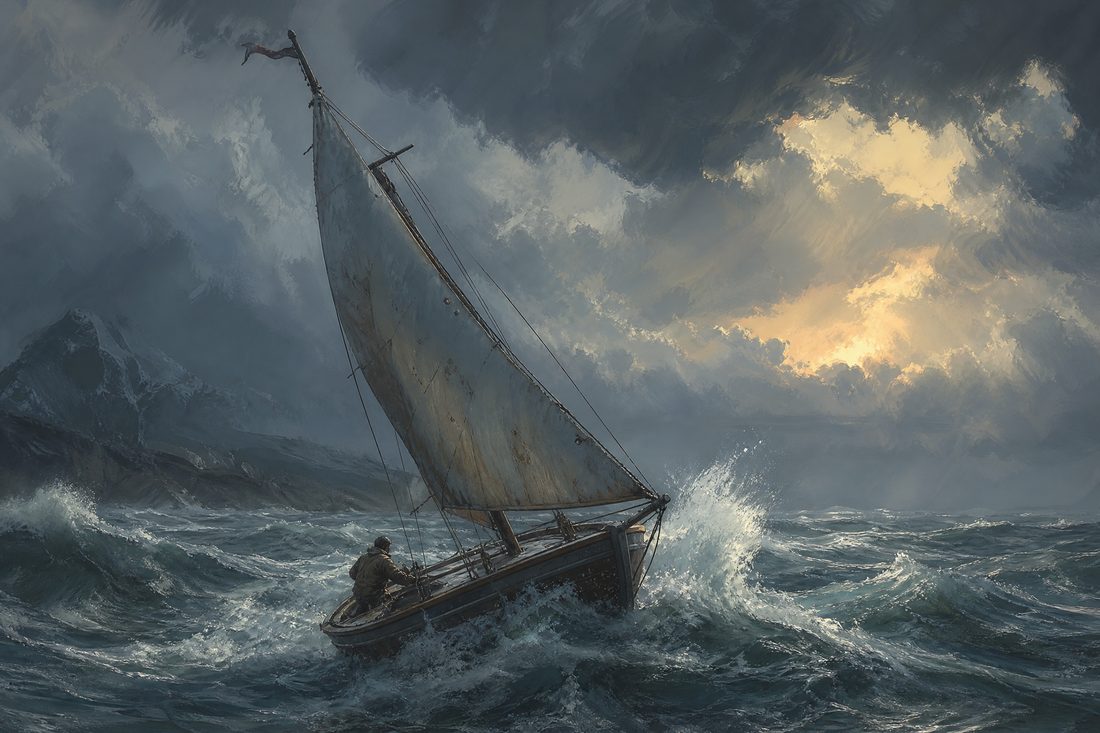
A small single-masted boat heeled over on grey-green swell with spray across the bow and storm clouds stacked on the horizon Review 8.0

Leeward Has The Slowest Weather In Games And Is Better For It

A fifty-one minute cycle means you can read the sky and act on it, which no fifteen-minute system permits. The forecast is a skill rather than an interface element, and learning it took us about nine hours.

Simulated57 hoursSailing
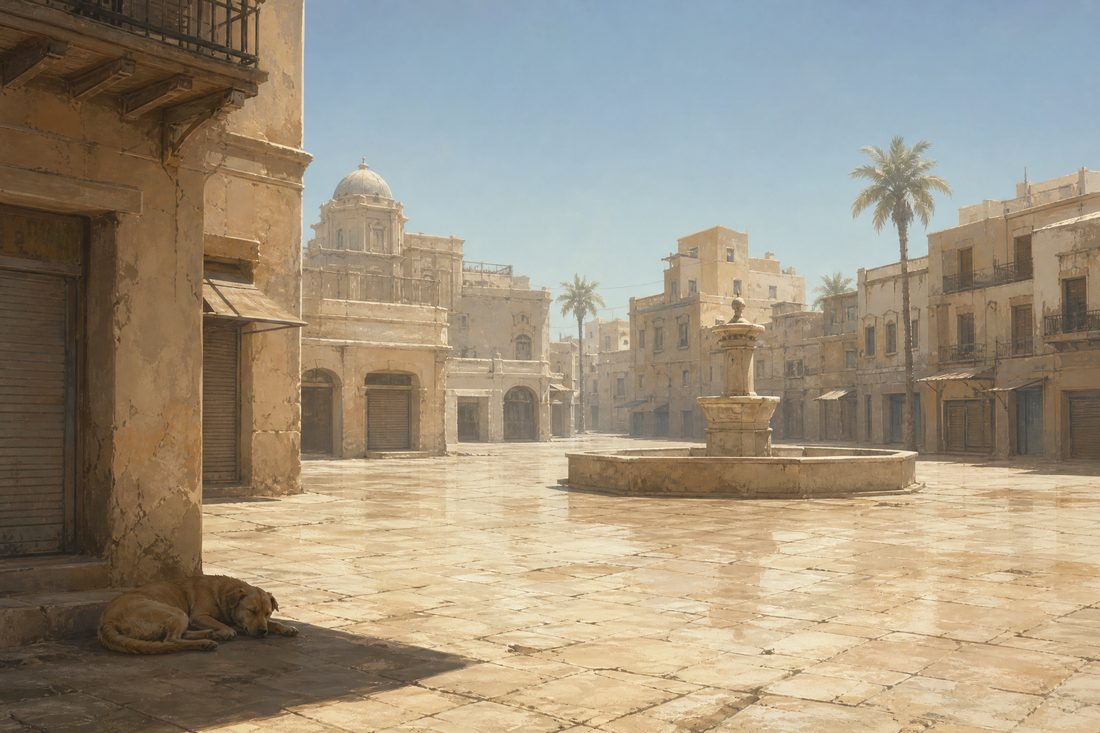
An empty stone plaza at midday in hard white light with heat shimmer above the flagstones, closed shutters and a dry fountain Note

Heat Is The Only Weather Almost No Game Simulates At All

Twenty-six of twenty-eight systems model precipitation. Four model temperature. One models humidity. A short note on why the sky gets the budget and the thermometer does not, and what a heatwave could be.

Note11 min readSystems
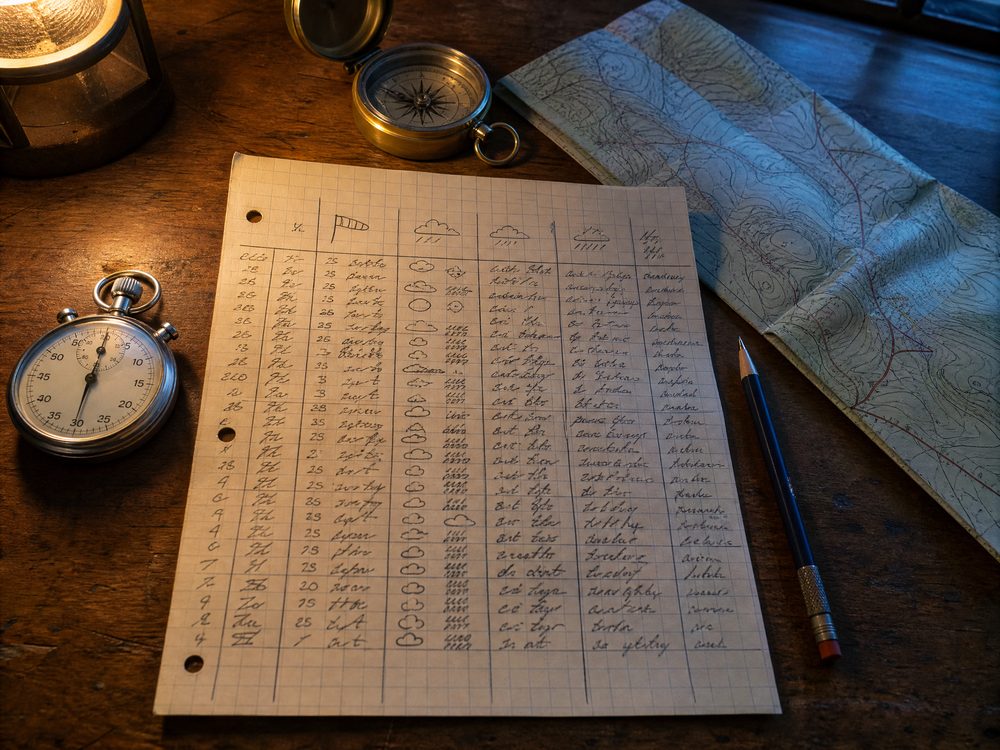
An overhead view of a hand-drawn weather log on graph paper with a mechanical stopwatch, a brass compass, a pencil and a folded contour map
The procedure

A paper log, a stopwatch, and one full in-game year before anything is written

Weather is the hardest system to review honestly because it is designed to be experienced rather than examined. Any single storm can be impressive. What matters is what happens on the fortieth one, whether the same conditions produce the same consequences, and whether you can ever plan around it.

  • Full cycle observationEvery system watched through an entire in-game year, or forty hours where no calendar exists.
  • Consequence testingThe same action attempted in clear weather and in each condition, with the difference recorded.
  • Timing the turnoverHow long a condition holds, and whether transitions are gradual or snap between states.
  • Symmetry checkWhether the weather applies to enemies and systems, or only to the player's camera.
Why it matters

Three reasons a sky deserves the same scrutiny as a combat system

Weather is the most expensive decoration in games and the cheapest mechanic. Almost every studio pays for the first and very few collect on the second.

01

It is the only system that changes a place you already know

A route you have walked forty times becomes new in a storm, at no content cost. Games that use this get an enormous amount from very little; games that do not have built a lighting preset.

02

Asymmetric weather is a difficulty setting nobody chose

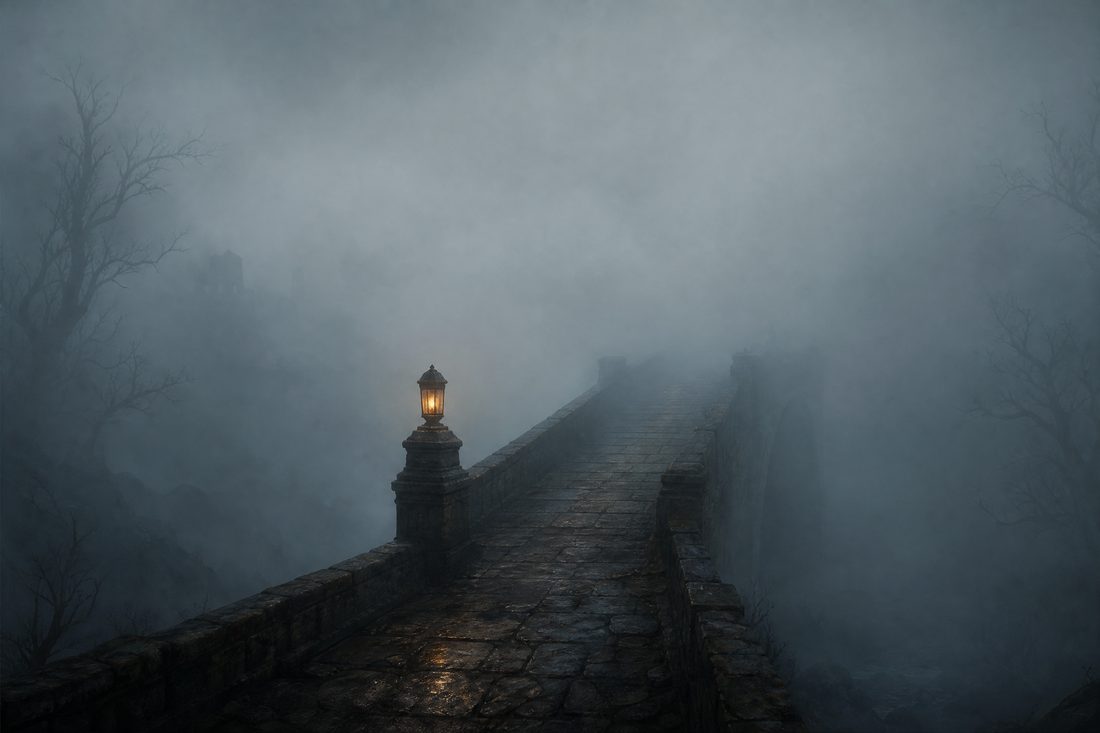
When fog blinds you and not the guards, the sky becomes a penalty applied at random. Several games in this file are meaningfully harder in bad weather without ever telling the player why.

03

A fast cycle cannot be planned around

If the weather turns every eight minutes, reading the sky is pointless and the system becomes ambience. The slowest weather we have logged is also the only weather anybody learns to forecast.

What the number means when a game has magnificent skies and no consequences

The score covers the whole game. The weather assessment is a separate judgement printed beside it, and a game can be excellent while its sky is purely decorative — two in the current file are.

  • 9.0 +Weather is a system you learn and plan for
  • 8.0Real consequences, applied symmetrically
  • 7.0Fine game, sky affects only the player
  • 6.0Weather has an upside and no cost
  • Under 6A lighting preset with a sound effect
From readers

Observations that changed how we log a system

There is no correspondence page here, but readers repeat these tests and publish what they find, and three of those findings have altered the procedure.

I ran the same fog detection test with a modded camera and confirmed it: the guard cones do not change at all. Your reading was right and it is worse than you wrote.

On the Fenwatch reviewPosted publicly with a method description

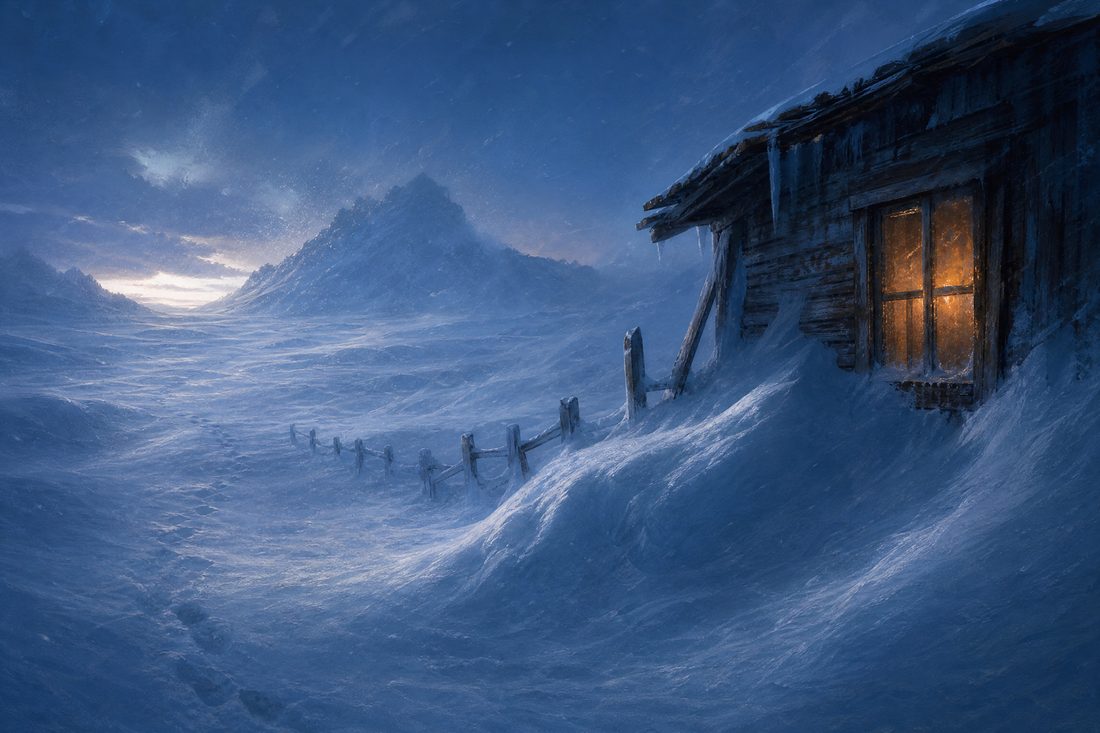
The drift accumulation figures held on my save within a few per cent. First time I have seen anybody treat snow as something measurable rather than pretty.

Repeating the White Season logVerified against our own notes

Asking whether weather applies to the enemies as well is now the first thing I check in anything I play. It is a very short question with a very long answer.